Featured
Table of Contents
Adjusting Search Techniques for San Antonio Distance in 2026
Search intent in 2026 has moved beyond basic geographic markers. While a user in San Antonio may have when searched for basic services throughout the region, the expectation now is for hyper-local accuracy. This shift is driven by the increase of Generative Engine Optimization (GEO) and AI-driven search designs that prioritize immediate distance and real-time accessibility over conventional ranking signals. Browse engines no longer deal with a city as a single block. An inquiry made in the center of San Antonio produces various results than one made just a couple of blocks away.
Steve Morris, CEO of NEWMEDIA.COM, has argued in major tech publications that the age of broad SEO is being replaced by "distance clusters." According to Morris, AI search representatives now weigh a business's physical location versus real-time information points like regional traffic, current weather, and social sentiment within a few square miles. For companies running in the surrounding area, this implies that exposure is no longer guaranteed by high-volume keywords alone. Presence now depends upon how well a brand's data is structured for these AI-driven regional evaluations.
The Function of AI Search Optimization and RankOS
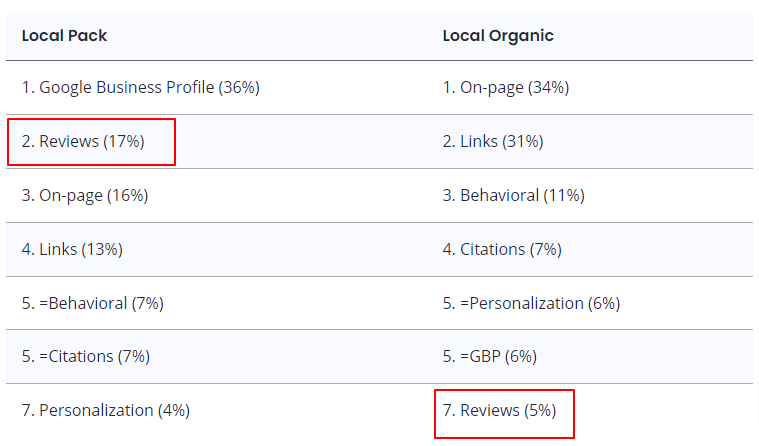
The technical requirements for appearing in regional search results page have actually become progressively intricate. AI Browse Optimization (AEO) and GEO need a various technique to information than conventional Google rankings. To address this, the RankOS platform has actually been developed to assist brands handle their presence across diverse AI search interfaces. This includes more than just keeping an address updated. It requires offering AI models with a consistent stream of localized, context-aware details that proves a business is the most appropriate choice for a specific user at a particular minute.
Organizations seeking Local SEO frequently discover that general techniques fail to record the subtlety of neighborhood-level intent. In San Antonio, consumers use voice-activated assistants and wearable AI to discover instant solutions. If a brand's digital existence does not have the specific metadata required by these systems, they effectively disappear from the proximity search engine result. This is particularly true in competitive markets like NYC, Denver, and LA, where NEWMEDIA.COM has actually observed a considerable rise in "at-this-intersection" questions.
Personalizing Content for the San Antonio Experience
Personalizing the customer experience in 2026 requires moving far from generic templates. It includes developing content that talks to the particular culture, occasions, and practical needs of San Antonio. This hyper-local marketing method makes sure that when a user searches for a service, they see information that feels tailored to their present environment. A retail brand might highlight various products based on the specific weather patterns or local occasions occurring in the immediate vicinity.
Proven Organic Search Results has actually ended up being important for modern-day businesses attempting to maintain this level of personalization at scale. By using AI to evaluate regional data, companies can produce material that reflects the micro-trends of a specific area. This is not about basic keyword insertion. It has to do with showing an understanding of the regional community. Steve Morris stresses that AI online search engine can find "thin" localized content. They choose sources that provide authentic value to the residents of San Antonio.
Proximity Search and Mobile Optimization in the Region
The majority of hyper-local searches take place on mobile gadgets or through AI-integrated hardware. This makes technical web design more important than ever. A site must pack quickly and offer the specific data an AI agent needs to meet a user's demand. This consists of structured data for inventory, prices, and service hours that are particular to a single place. Organizations that rely on Local SEO in San Antonio to stay competitive are retooling their web existence to emphasize these micro-location signals.
Distance optimization likewise takes into consideration the "digital footprint" of a location. This consists of regional evaluations, discusses in area news outlets, and even social media check-ins. AI designs utilize these signals to verify that a business is active and respectable in San Antonio. If a brand has a strong national presence however no local engagement in the surrounding region, it may discover itself outranked by a smaller competitor that has actually concentrated on hyper-local signals.
Information Stability in Hyper-Local Marketing
As AI agents become the primary method individuals discover services in the United States, the accuracy of local information is non-negotiable. Contrasting info about a location's address or services can result in a total loss of visibility. Steve Morris has actually noted that "information fragmentation" is one of the biggest obstacles for brand names in 2026. If an AI assistant receives 3 different sets of hours for a company in San Antonio, it will likely advise a rival with more constant data.
Managing this at scale needs a centralized system that can push updates to every corner of the digital environment at the same time. The RankOS platform addresses this by ensuring that every AI design, search engine, and social platform sees the same high-fidelity information. This level of coordination is required for services that desire to control the proximity search results page. It is about more than simply being found; it is about being the most relied on answer offered by the AI.
The Future of Localized Browse in 2026

Looking toward the 2nd half of 2026, the pattern of hyper-localization is only anticipated to accelerate. As enhanced reality and advanced AI representatives become common, the digital and physical worlds will continue to combine. Customers in San Antonio will expect their digital assistants to understand not just where they are, however what they require based upon their immediate surroundings. Companies that have bought localized content and distance optimization will be the ones that succeed in this environment.
Strategizing for this future ways moving beyond the fundamentals of SEO. It requires a commitment to information accuracy, a deep understanding of local intent, and the right technology to manage everything. By concentrating on the special needs of users in the region, brands can create a more significant connection with their consumers. This method turns an easy search into a personalized interaction, making sure that business stays a central part of the local community's life.

Latest Posts
Building Community Authority for Sustainable Browse Growth
Future-Proof Guidance Strategies for the Coming Year
Leading Websites for Household Exploration Near Your Region